Cost of Poor Quality (COPQ) may sound like a financial KPI but in practice it reflects something very tangible: how many service calls we receive.
Lower COPQ means fewer failures, fewer interventions, and more reliable stations. For the people working closest to the equipment, the result is simple systems that perform as designed and customers that can rely on them.
The impact is increasingly visible where it matters most: in the daily work of our service teams and in the uptime experienced by our customers.
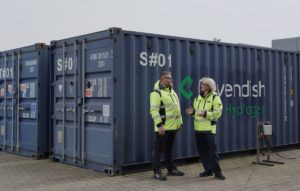
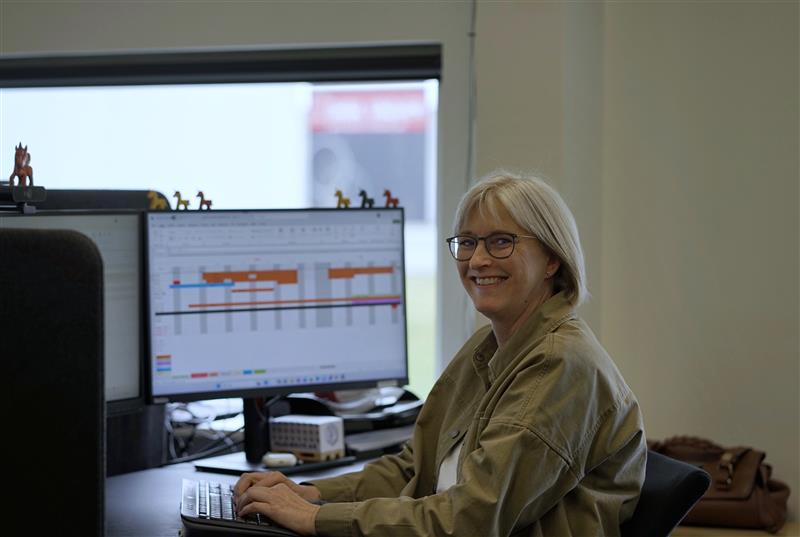
To understand what this development means in practice, we spoke with Karin Ternholt, Cavendish Resource Planner and Erno Pauw, Cavendish Lead Service Technician who see the effects firsthand.
From reactive support to proactive partnership
For Karin, improvements in equipment performance are reflected directly in day-to-day operations and planning.
“Over the years we’ve actually seen less repairs and less downtime,” she explains. “There are naturally several reasons for that, but one important factor is that the stations are simply performing much better than before.”
As system reliability improves, the need for urgent interventions declines, allowing the service organization to focus more on preventive maintenance and long-term planning.
“We simply receive fewer service calls than we used to. That’s a very tangible sign that the equipment is performing more reliably in the field.”
For Erno, the same trend is visible during everyday work in the field.
“Compared to a few years ago, we see fewer unexpected issues that require urgent intervention,” he says. “This reflects how, as a team, we’ve improved the quality of our equipment and increased our efficiency. Today, the focus is largely on planned maintenance and keeping the stations running at their best.”
In the end, the best service call is the one you don’t need to make.